Oral Prophylaxis at Bishnoi Dental Care - OPG and Implant Centre
A simple way to keep gums healthy and prevent future dental problems
Even with regular brushing, plaque and tartar can build up in areas a toothbrush can’t reach, especially near the gumline. Oral prophylaxis is a professional cleaning performed at a leading dental clinic that removes this buildup and supports healthier gums. It also helps reduce bad breath and keeps your mouth feeling fresh. At bishnoi dental, many patients searching for a Good Dental Clinic Near you visit our expert Dentists for gentle Teeth Cleaning Services in Nimbahera, trusting our premier Hospitals & Clinics for safe care and clear guidance on maintaining results at home.

Branches

Experience

Implants

Happy Patients
Why and When Is Oral Prophylaxis Needed?
-
✔Bleeding gums while brushing or flossing, early signs of serious dental problems
-
✔Bad breath that keeps coming back, easily treated at a Good Dental Clinic Near you
-
✔Yellow deposits or rough feeling near the gumline cleared safely by our expert Dentists
-
✔Stains from tea, coffee, tobacco, or spices removed gently at our premier dental clinic
-
✔Gum swelling, tenderness, or sensitivity managed by top-rated Hospitals & Clinics
-
✔It has been more than six months since your last cleaning at bishnoi dental
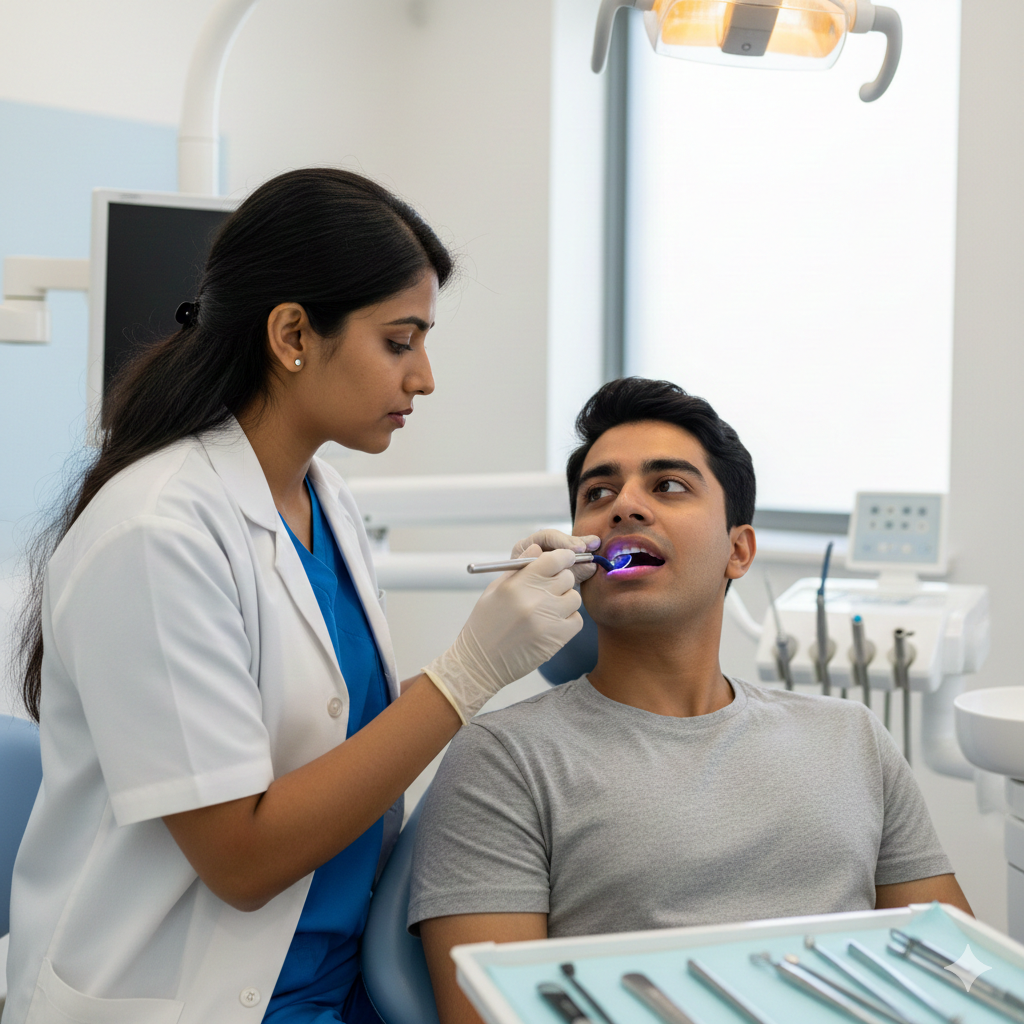
What Is Oral Prophylaxis?
- ✔ Cleaning removes plaque and hard tartar from teeth and the gumline
- ✔ Polishing smoothens the surface and removes mild surface stains
- ✔ It helps gums heal better when there is early inflammation
- ✔ It improves freshness and makes teeth feel cleaner
Our Oral Prophylaxis Services in Nimbahera are done carefully so your teeth feel smooth and comfortable.
Our Oral Prophylaxis Process
We follow a clear, step-by-step approach:
-
✔
Oral Check-Up We examine your teeth and gums and identify plaque or tartar buildup.
-
✔
Scaling (Plaque and Tartar Removal) We remove hard deposits from teeth, especially near the gumline.
-
✔
Polishing Teeth are polished to remove surface stains and smooth enamel.
-
✔
Rinse and Final Review We rinse, re-check gums, and guide you on brushing and flossing.
If your gums need extra care, we explain the next steps clearly.
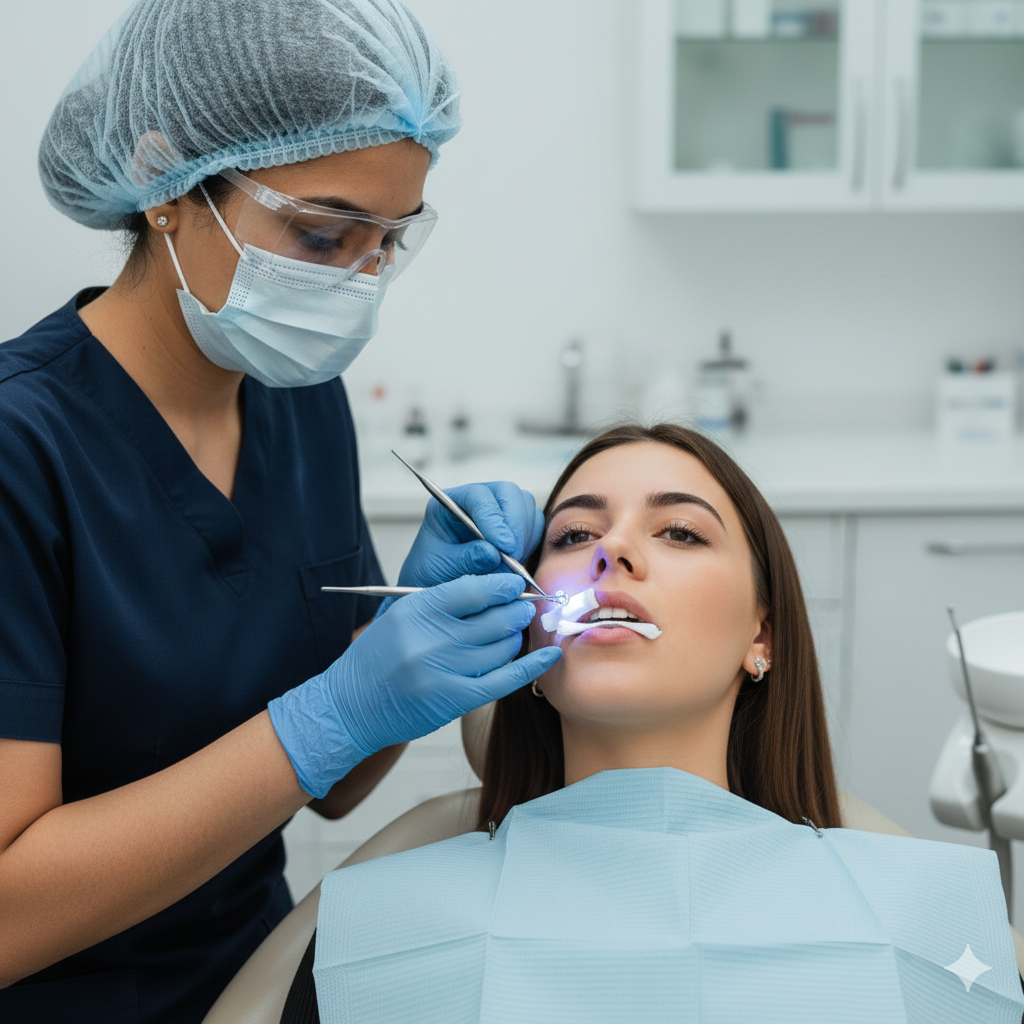
Benefits of Oral Prophylaxis
Healthier Gums: Cleaning reduces inflammation and helps control gum bleeding.
Fresher Breath: Removing plaque and tartar helps reduce bad breath.
Cleaner Look: Teeth feel smoother and appear cleaner after polishing.
Early Problem Control: Regular cleaning helps prevent gum disease from worsening.
Better Oral Hygiene: It becomes easier to maintain hygiene when buildup is removed.
After-Care for Teeth Cleaning
Sensitivity Care: Avoid very hot or cold foods if you feel sensitivity.
Smoking Advice: Do not smoke immediately after cleaning if possible.
Hygiene Routine: Brush gently twice daily and floss regularly.
Mouthwash Use: Use a mouthwash if advised by your dentist.
Stain Prevention: Drink water after tea/coffee to reduce staining.